

The suppressor market could be entering one of the most significant periods of growth in its history. Changes to federal law have dramatically altered the economics surrounding suppressor ownership, while a recent federal court ruling has created the possibility of even greater changes to the traditional purchasing process.
For firearms dealers, the potential opportunity is substantial. Suppressors have historically been a specialized category, with many prospective customers discouraged by the additional tax, paperwork, registration requirements, and lengthy approval process associated with National Firearms Act (NFA) purchases. Those barriers helped keep suppressors a relatively niche product.
That landscape has changed considerably.
The $200 Tax Is Gone
The first major change came through legislation enacted in 2025. The law reduced the federal making and transfer tax on suppressors to zero dollars, with the change taking effect January 1, 2026. The underlying NFA framework was not simply erased, however; other federal requirements remained in place.
For consumers, eliminating the $200 tax removes one of the most obvious financial barriers to suppressor ownership.
For dealers, the more important consequence may be psychological.
A customer who previously looked at a $700 suppressor and mentally added another $200 to the purchase price may now see the product differently. The suppressor itself becomes the primary consideration rather than the combination of product price and federal tax.
The numbers also demonstrate how much interest already exists. ATF data showed more than 6.5 million silencers registered in the National Firearms Registration and Transfer Record as of July 1, 2026. ATF also reported more than 121,000 silencer Form 4 applications received in May alone.
Those figures indicate that suppressors are no longer an obscure corner of the firearms market.
The August 2026 Court Ruling Could Be Even More Significant
The next development arrived in August 2026, when a federal judge in Texas ruled that certain NFA regulations governing suppressors and other covered firearms could no longer be enforced against the plaintiffs and certain affiliated parties.
The reasoning centered on the relationship between the NFA’s regulatory structure and its taxation provisions. After Congress reduced the applicable suppressor tax to zero, the court concluded that the challenged provisions could no longer be justified under Congress’s taxing authority.
That development is significant, but dealers should be careful about describing it as a nationwide repeal of suppressor regulation. The ruling does not currently function as a blanket nationwide injunction, and the legal landscape remains subject to additional litigation and possible appeals. State laws can also impose separate restrictions.
That distinction will be extremely important for dealers heading into 2027.
Why 2027 Could Be a Breakout Year
If the regulatory environment continues moving toward simpler suppressor transfers, dealers could see demand expand beyond the traditional suppressor enthusiast.
For years, many customers have viewed suppressors as specialty equipment rather than a normal firearm accessory. A simpler purchasing process could change that perception.
The opportunity isn’t limited to suppressor sales themselves. A customer purchasing a suppressor may also need a compatible host firearm, mounting equipment, storage, cleaning equipment, replacement components, and other accessories.
That creates a potentially valuable category rather than a single-product sale.
Dealers should therefore think about suppressors as part of a larger ecosystem.
Five Suppressor Categories Dealers Should Consider
Rather than filling the shelves with one particular model, dealers should consider maintaining a balanced inventory covering several major customer needs.
1. Compact 9mm Suppressors
Compact 9mm suppressors represent an obvious category for dealers because of the enormous installed base of 9mm handguns and pistol-caliber carbines.
The emphasis should be on products that appeal to customers seeking a relatively compact package. Dealers can explain the differences in size, weight, mounting systems, materials, and manufacturer support while helping customers determine whether a particular product is compatible with their firearm.
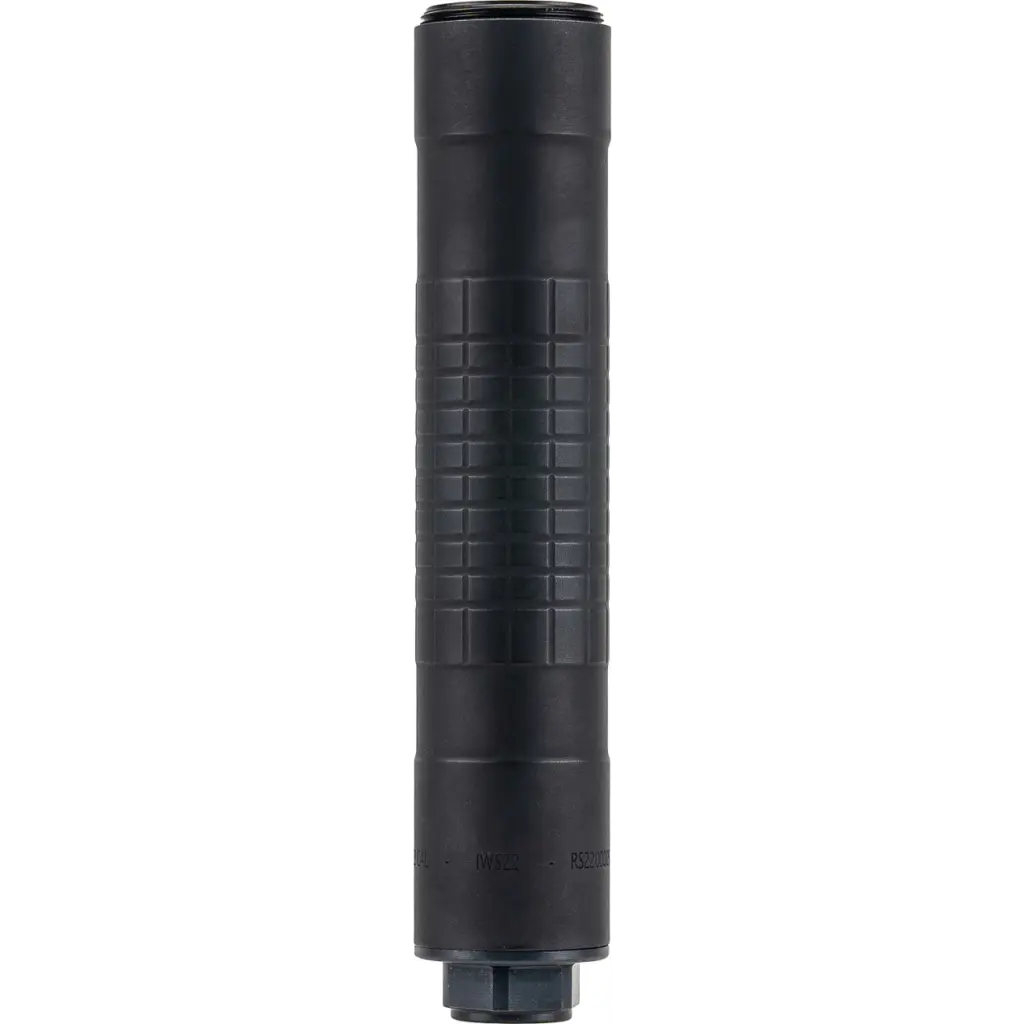
2. .22 Rimfire Suppressors
Rimfire suppressors can introduce an entirely different customer to the category.
The .22 rimfire market includes recreational shooters, target shooters, small-game hunters where lawful, and firearms enthusiasts. Rimfire suppressors are also generally smaller and lighter than many centerfire products.
For a dealer attempting to introduce new customers to suppressors, this category deserves serious consideration.
3. Full-Size Rifle Suppressors
The centerfire rifle suppressor market is another important category.
Customers interested in rifles may be looking for products designed around cartridges such as .223 Remington/5.56 NATO or .308 Winchester/7.62 NATO. A dealer doesn’t necessarily need dozens of different models, but should understand the differences among the products offered and stock options covering common customer applications.
This is also an opportunity to educate customers about caliber compatibility, barrel-length considerations, mounting systems, and manufacturer specifications.
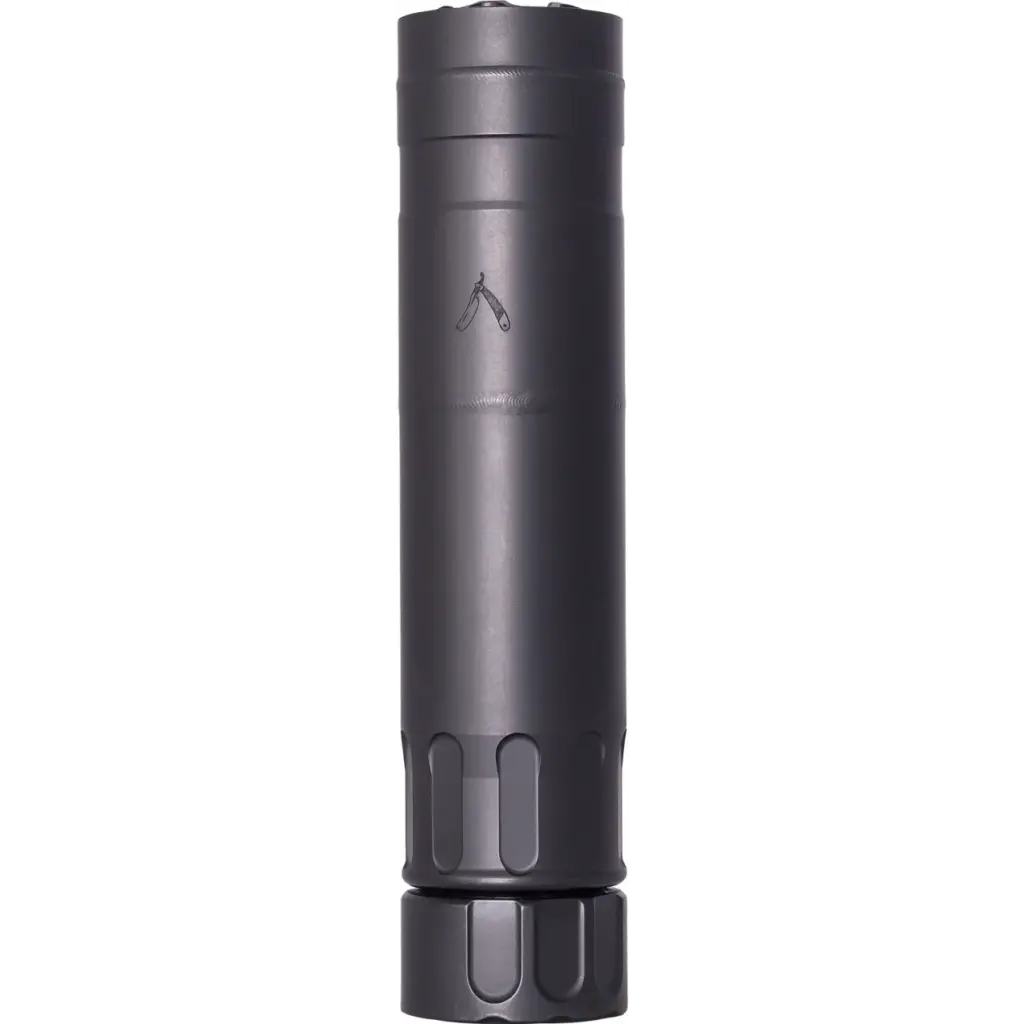
4. Multi-Caliber Suppressors
A multi-caliber product can appeal to customers who want one suppressor capable of serving several firearms.
For a dealer, these products can be particularly useful because they address the customer who is reluctant to purchase multiple suppressors immediately. Instead of treating the sale as an end point, the dealer can explain how the customer’s current firearms and future plans affect the choice.
That makes product knowledge especially important in this category.
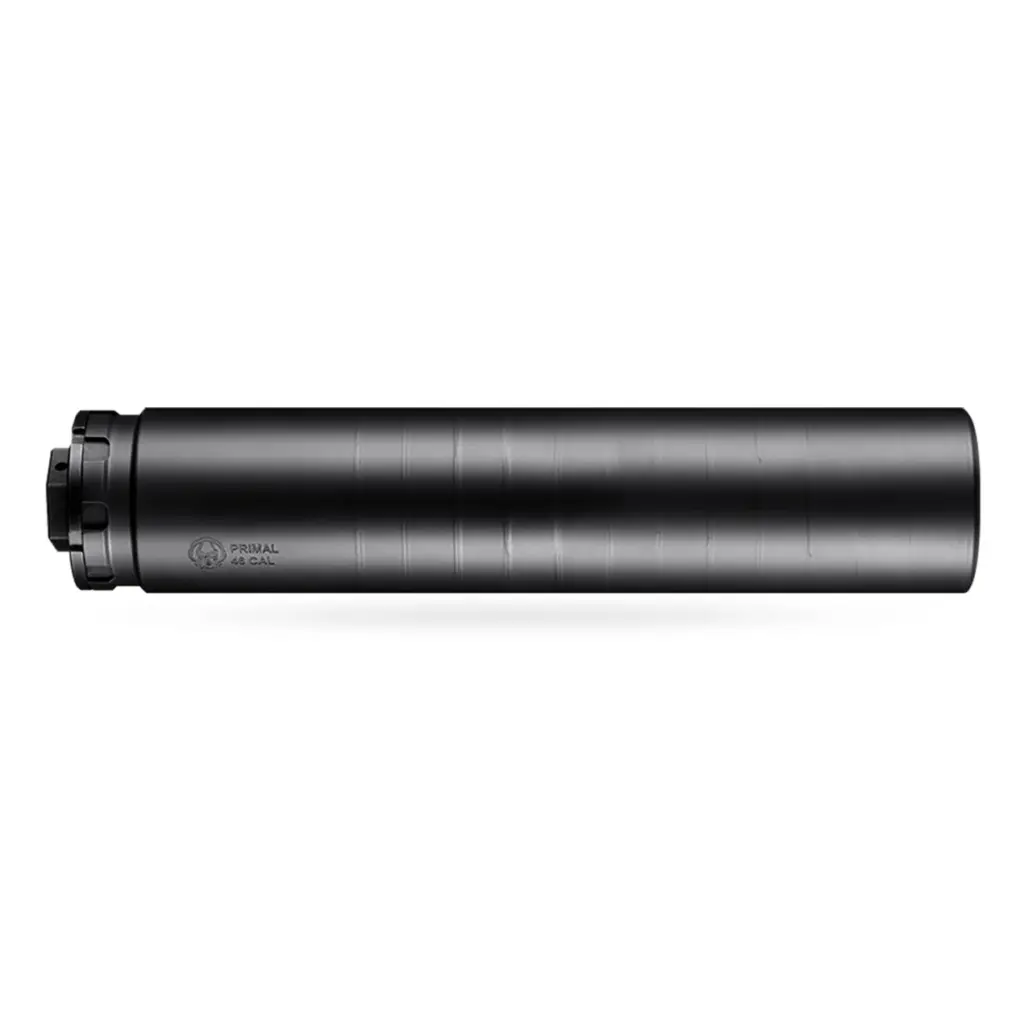
5. Premium Performance Suppressors
Finally, dealers should maintain some inventory at the premium end of the market.
There will always be customers who are willing to pay more for reduced weight, advanced materials, specialized mounting systems, durability, or other performance characteristics.
Premium suppressors can also increase the average transaction value and give a dealer a high-end option when a customer enters the store specifically looking for the latest technology.
The Dealer Opportunity Goes Beyond the Suppressor
The biggest mistake would be viewing the 2027 suppressor opportunity simply as “put suppressors on the shelf.”
The real opportunity is building expertise around the category.
Dealers should train employees on applicable federal and state requirements, manufacturer specifications, compatibility, installation, warranty procedures, and the current status of the law. The rules can change quickly, and dealers should never promise a customer that a particular transfer is legal without confirming the requirements that apply to that transaction.
ATF continues to maintain regulations and rulemaking related to NFA firearms, including changes intended to conform its regulations with the statutory changes enacted by Congress.
A knowledgeable salesperson can turn a complicated product category into a straightforward retail experience.
Prepare for 2027—But Don’t Overcommit
The potential market is substantial, but dealers should resist the temptation to overstock based solely on headlines.
The August 2026 court decision remains geographically and legally significant but is not the same thing as a nationwide repeal of the NFA’s suppressor provisions. State laws vary, litigation can change the landscape, and federal agencies continue to update their rules.
The smart strategy is therefore measured expansion.
Build inventory across several suppressor categories, develop knowledgeable staff, establish reliable compliance procedures, and create an educational sales process. Dealers who do those things now may be in a much stronger position if suppressor ownership becomes substantially more mainstream during 2027.
The bottom line is simple: the suppressor market is moving from a niche NFA specialty toward a potentially much larger retail category. The elimination of the $200 federal tax has already removed a major economic barrier, while the latest court ruling could accelerate the transformation if its reasoning ultimately survives further legal challenges.
For firearms dealers, 2027 could be the year suppressors become a meaningful part of mainstream accessory revenue.
For dealer orders visit www.davidsonsinc.com
For consumer purchases visit www.galleryofguns.com